Bedford
Bedford, Massachusetts is a historic town located about 15 miles northwest of Boston in Middlesex County. With a population of approximately 14,400 residents, Bedford offers a classic New England small-town feel while sitting close to major employment centers in Boston and Cambridge. According to the 2020 U.S. Census, Bedford’s population was 14,383, and the town has remained relatively stable in size, growing slowly compared to many nearby communities.
Bedford was incorporated in 1729, after separating from parts of Concord and Billerica. Like many towns in the region, Bedford played a role in the earliest moments of the American Revolution. When British troops marched toward Concord on April 19, 1775, Bedford Minutemen responded quickly to the alarm and marched to support the colonial forces. The town still proudly preserves one of its most famous artifacts from that day — the Bedford Flag, believed to be the oldest known surviving flag from the Revolutionary War. The flag, which depicts an armored arm holding a sword beneath a field of stars, is displayed at the Bedford Free Public Library and remains a symbol of the town’s historic roots.
In its early years, Bedford was primarily an agricultural community. Farms dominated the landscape throughout the 18th and 19th centuries, supplying crops, livestock, and dairy to markets in nearby Boston. While farming declined in the twentieth century, Bedford retained much of its open land and rural character, something residents still value today.
One of the town’s most recognizable modern features is the Minuteman Bikeway, a highly popular rail trail that runs through Bedford and connects it with Lexington, Arlington, and Cambridge. The bikeway follows the path of a former railroad line and has become one of the busiest multi-use trails in New England. Cyclists, walkers, and runners regularly use the trail for commuting and recreation, and it has helped strengthen connections between several surrounding communities.
Bedford also has a strong connection to the technology and defense sectors due to its proximity to Hanscom Air Force Base, located partly within the town’s boundaries. Hanscom is a major research and development center for the U.S. Air Force and houses numerous technology companies, defense contractors, and federal agencies focused on communications systems and aerospace innovation. This presence has helped shape Bedford’s local economy and attracts many professionals working in science, engineering, and technology.
Education plays a major role in Bedford’s community identity. The public school system is well regarded, and the town is located within easy reach of world-class universities including Harvard University and the Massachusetts Institute of Technology in nearby Cambridge. Many residents commute to academic, technology, and biotech jobs throughout the greater Boston area.
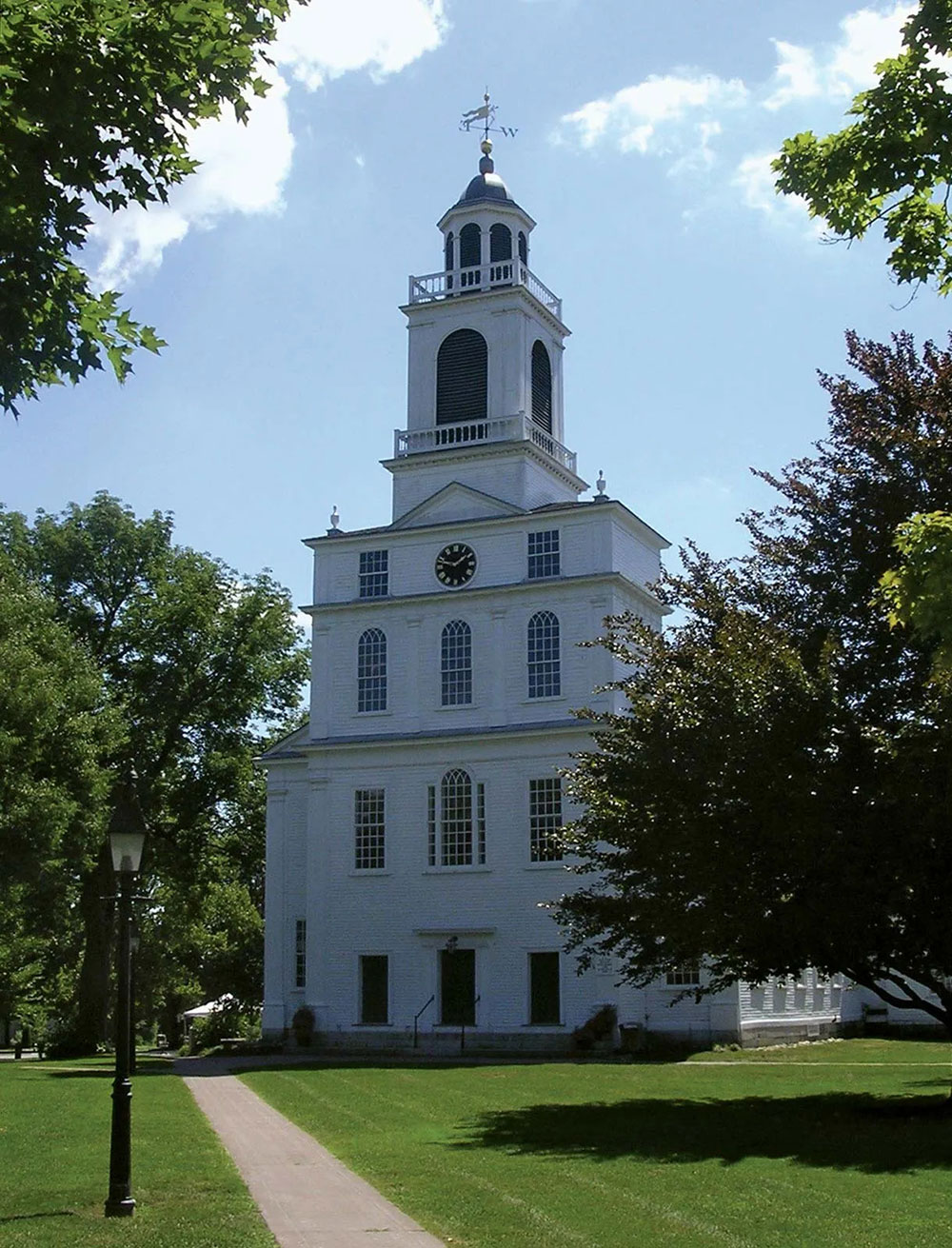
Despite its close ties to major employment centers, Bedford maintains a relaxed and welcoming small-town atmosphere. Bedford Common, located at the heart of town, serves as a focal point for community events, seasonal celebrations, and local gatherings. Nearby, Bedford Depot Park preserves the town’s railroad heritage and provides direct access to the Minuteman Bikeway.
Bedford is also known for its access to nature and open space. The town borders Great Meadows National Wildlife Refuge, a large wetland ecosystem shared with Concord and surrounding communities. The refuge offers walking trails, wildlife observation areas, and birdwatching opportunities, making it a popular destination for nature enthusiasts.
Today, Bedford blends historic significance, natural beauty, and modern innovation. Its manageable size, strong schools, and proximity to Boston’s technology corridor make it a desirable place to live while still preserving the quiet charm of a traditional New England town.
Sorry we are experiencing system issues. Please try again.